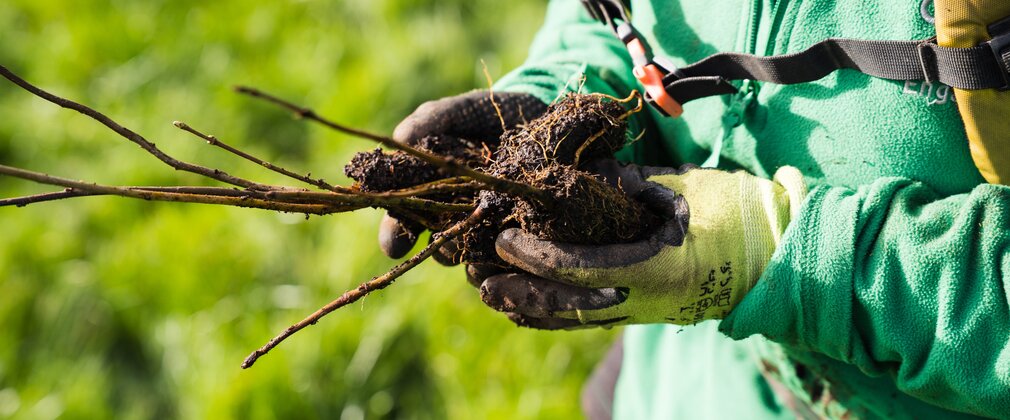
Growing the nation's forests
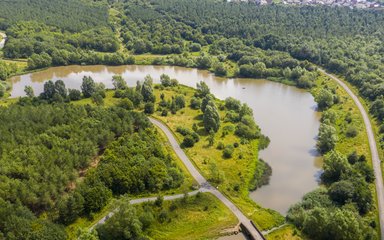
At Forestry England, we're creating a brand new woodland in Barlow, Gateshead. Barlow Wood will cover around 47 hectares (over 100 acres) and be planted with a mix of carefully selected tree species.
The new woodland will support nature recovery by providing much-needed habitat for wildlife, while giving local people a beautiful new green space to explore and enjoy. Once it's established, it will also lock up carbon from the atmosphere, improve air quality, and provide a new source of sustainable British timber.
Barlow Wood is one of many new woodlands we're creating at Forestry England to help grow the nation's forests. The work has been made possible thanks to the government's Nature for Climate Fund programme. It complements the planned woodland creation on neighbouring land by Gateshead Council, which is funded by the North East Community Forest.
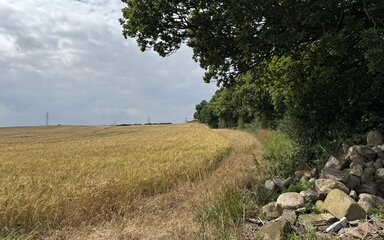
Work in progress...
Creating new woodlands takes time, and right now we're still developing our plans for Barlow Wood. We recently hosted a public consultation, where we invited local people and businesses to share their thoughts and ideas with us. This included a special 'drop in' event at the Winlaton Centre in Blaydon. We'd like to thank everyone who got involved in this process and who attended our event, as your feedback will help us shape the final designs for the new woodland.
At the moment, we're working through the comments from the public consultation, and we'll be sharing our final designs for Barlow Wood later this year. Subject to the approval of our final design plans, we hope to begin planting the first trees at this new woodland in winter 2026/27.
Supporting nature recovery
Creating a new woodland here will help nature recover by increasing connectivity between existing woodlands in the area. This will make it easier for wildlife to move across the landscape and reverse past habitat fragmentation. Specifically, this new woodland will connect to the existing Forestry England woodlands at Spen Bank, which is just half a mile away, and Chopwell Wood, which is two miles away. It will also complement the planned woodland creation on neighbouring land by Gateshead Council.
We'll also be creating varied habitats within the woodland to benefit a wide range of species. We'll be planting a mix of different tree species and creating areas of open spaces that could benefit species including woodland birds, badgers, otters, bats, hedgehogs, common amphibians, and invertebrates.
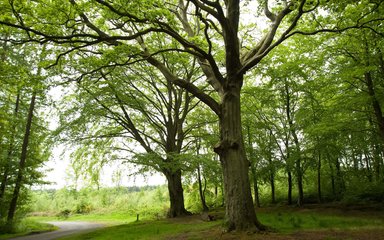
Frequently asked questions
We're in the early stages of creating our design for the new woodland. Public feedback and surveys will inform our detailed plans for the new woodland. Our aim is to create the new woodland over the next couple of years with initial planting beginning in winter 2026/27.
We'll carefully plan in detail the trees that will be planted in the new woodland. We'll be using a mix of tree and shrub species will help make the wood resilient to climate change and tree diseases, whilst also supporting a wide range of wildlife.
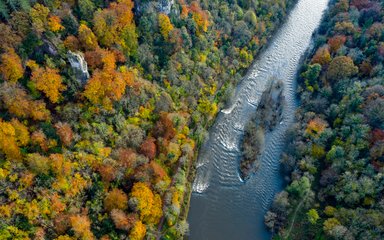
Some areas will be planted with a mix of trees, including broadleaved trees and conifers. This will complement the local landscape, provide seasonal colour, and increase resilience.
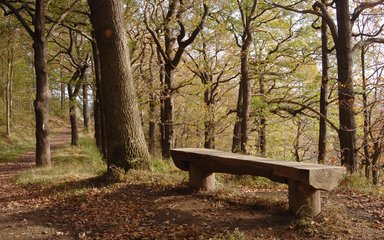
Yes! The new woodland will be open to the public and provide a quiet space for local people to enjoy and connect with nature. Once we have finished planting the woodland, we will dedicate it under the Countryside and Rights of Way (CROW) Act so that people can access and explore the site.
Note that there are currently no plans to create a car park for Barlow Wood, and access will primarily be through the network of existing footpaths in the area. If you wish to visit a woodland by car, we recommend the nearby Chopwell Wood.
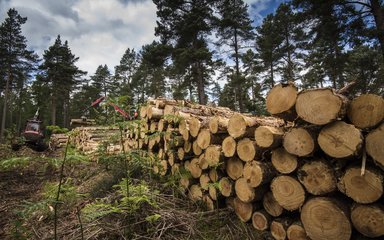
Barlow Wood will be a productive woodland once the trees have grown to a suitable height. As part of our ongoing management, we will begin to remove some of the trees after 15-25 years to provide a sustainable supply of timber and help the woodland to continue to grow healthily for many years to come. When done responsibly, tree felling can be good for the health of forests, as well as providing other benefits such as helping to tackle the climate crisis. For a sustainable future, we need to use more wood to replace fossil fuel intensive products, like plastic, and to lock up carbon.